
Introduction
Every pet parent dreams of a well‑behaved, happy furry companion. Yet, training challenges like excessive barking, leash pulling, house soiling, or fear‑based reactions leave many feeling frustrated and stuck. What if you could support your pet’s learning using neutral, humane tools designed to strengthen positive behavior and deepen your bond? In this blog, you’ll learn how Pet Training Aids & Behavior Tools can help you shape good habits, address common behavior issues, and make training more fun for both you and your pet.
By the end of this guide, you’ll understand which tools are worth investing in, how to use them effectively, and how to tailor your approach to your dog’s or cat’s unique personality.
Why Training Tools Matter (Beyond Treats)
Pet training isn’t just about treats and commands. It’s about helping your pet understand expectations in a way that feels safe and rewarding. Tools that support behavior help pets build skills, stay calm in challenging environments, and learn faster with less frustration. Unlike punitive methods, modern training aids focus on encouragement, communication, and consistency — key components of long‑term success.
Training Tools Address Real Pet Parent Pain Points
Common questions pet owners search for include:
- How can I stop my dog from jumping on guests?
- What tools help cats learn to use a scratching post?
- Can gentle tools support leash training without causing stress?
Let’s dig into practical answers you can start using today.
Choosing the Right Pet Training Aids & Behavior Tools
When selecting tools, think purpose first. What behavior are you targeting? What’s your pet’s temperament? Below are key categories that every pet lover should know.
1. Positive Reinforcement Tools
Positive reinforcement builds desired behavior by rewarding pets when they get it right.
Clickers and Marker Devices
Clickers create a clear, consistent signal that tells your pet exactly when they did something correct. This speeds up learning and reduces confusion.
Tip: Pair a clicker with tiny food rewards to train new skills like “sit,” “stay,” and “leave it.” Over time, you can phase out treats and keep the behavior strong with praise or play.
Treat Pouches
Convenient and wearable, treat pouches keep rewards accessible and help maintain a smooth training flow during outdoor walks or indoor sessions.
2. Leash & Walk Training Tools
Walking should be enjoyable, not a tug‑of‑war.
Front‑Clip Harnesses
Front‑clip harnesses gently discourage pulling without pressure on the neck. When your dog leans forward, the design naturally steers them back toward you.
Tip: Combine this with pacing changes and treat rewards for loose‑leash walking.
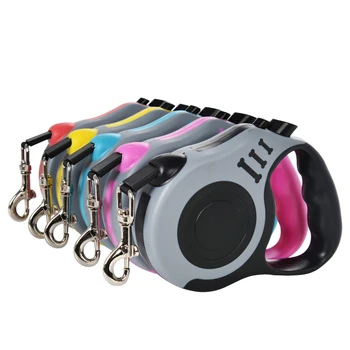
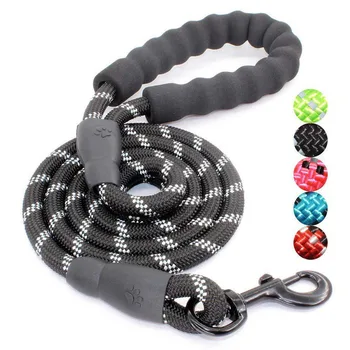
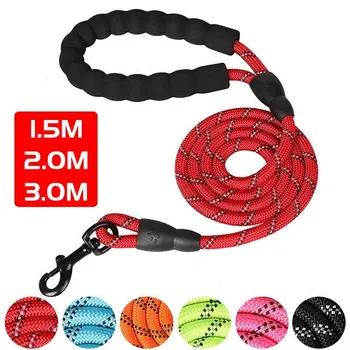
Long Lines & Training Leashes
Long lines give dogs freedom while keeping you in control. Great for recall training in open spaces.
Reader Question: My dog won’t come back off‑leash. What’s a humane way to fix this?
Answer: Start with a long line, practice recall in a quiet area, and reward generously. Gradually shorten the line as your dog improves.
3. Calm & Confidence‑Building Tools
Some pets need tools that help them feel safe during stressful moments.
Snuggle Beds and Comfort Wraps
These aren’t “training” tools per se, but they support emotional regulation. Pets who feel secure learn better and behave more predictably.
Desensitization Aids and Sound Trainers
For pets scared of thunder, fireworks, or loud noises, sound‑desensitization tools help build tolerance through gradual exposure paired with rewards.
Tip: Always go at your pet’s pace. If they show stress cues, take a step back and try again later.
4. Cat‑Specific Behavior Support
Cats learn, too! Training tools can help redirect unwanted scratching, jumping, or fear responses.
Scratching Posts and Pads
Offer multiple textures and locations. Pair with treats and praise when your cat uses them.
Interactive Toys
Toys that simulate hunting tap into natural instincts and reduce boredom‑related behaviors like chewing or aggression.
Actionable Training Tips You Can Use Today
Be Consistent
Training works best when cues and rewards are consistent. Choose one command per behavior and stick to it across all family members.
Keep Sessions Short and Fun
Pets learn best in short bursts — 5 to 10 minutes a few times a day rather than one long session.
Reward Desired Behavior, Ignore the Rest
Ignoring unwanted behaviors (when safe to do so) redirects focus toward what you do want, not what you don’t.
End on a Positive Note
Always finish training with success. Even if it’s a simple “sit,” reward, and praise to build confidence.
Trends & Stats Supporting Humane Training
Recent pet behavior research shows that positive reinforcement methods lead to more reliable results and stronger pet‑owner bonds than punishment‑based training. According to behaviorists, pets trained with positive tools show lower stress levels and less fear‑based aggression. These findings help explain why more trainers and shelters now emphasize neutral, reward‑based training aids.
Conclusion
Training your pet isn’t just about obedience — it’s about fostering communication, trust, and mutual respect. By using Pet Training Aids & Behavior Tools like clickers, harnesses, comfort supports, and interactive toys, you can set your pet up for a lifetime of good behavior and joy.
Key Takeaways:
- Pick tools that match your pet’s personality and training goals.
- Use positive reinforcement to shape good habits.
- Be consistent, patient, and always reward progress.
- Consider emotional support tools for pets dealing with fear or stress.
If you found this guide helpful, join our newsletter for more expert tips on training, enrichment, and pet wellness. Share this post with fellow pet lovers who want a happier, better‑behaved companion.


0 Comments